Hot water on demand
Open a hot tap and cold water passes through a heat exchanger, where a gas burner or electric element heats it on the spot. No tank sits full of hot water, so the unit avoids the standby heat loss of a storage heater.
Flow is the limit. Each unit heats a set number of gallons per minute, and an undersized heater falls behind when two showers and the dishwasher run at once.
Sizing a tankless unit
- Flow
- The number of fixtures you run at the same time, and the gallons per minute they draw.
- Gas supply
- Gas units need a gas line large enough to feed the burner at full output.
- Venting
- Gas units need a vent run that meets the manufacturer's installation manual.
- Electrical
- Whole-house electric units draw a lot of current and can require a service upgrade.
Switching from a tank
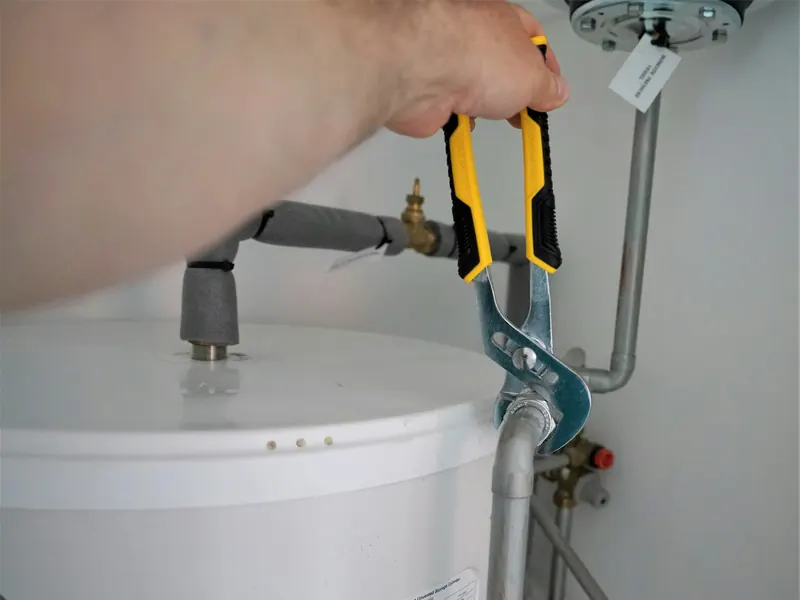
Converting from a tank means new mounting and water connections, and it can mean a larger gas line, new venting or electrical work. Ask for each of those items in the estimate so you see the whole price.
Tankless makers call for flushing the heat exchanger on a schedule to clear scale. Myrtle Beach city water is soft, which helps, but follow the interval in your unit's manual.
Common questions
Is a tankless water heater worth it?
Tankless units cost more up front and last longer. The Department of Energy says most tankless heaters last more than 20 years, compared with 10 to 15 for a tank. The plumber can price both so you can compare.
Will I have endless hot water?
A tankless heater won't run out the way a tank does, but it has a flow limit. A unit sized for your home keeps up with the fixtures you use at the same time.
Do tankless heaters need maintenance?
Yes. Plan on a heat exchanger flush at the interval the manufacturer sets, and keep the air intake and vent clear on gas models.