Signs of a sewer line problem
- Several drains back up at once, starting with the lowest ones
- Toilets gurgle or bubble when other fixtures drain
- A sewage smell inside the house or in the yard
- A soggy or sunken strip of lawn along the sewer path
- Clogs that return soon after a drain cleaning
The camera inspection
The plumber runs a waterproof camera through a cleanout and watches the pipe on a monitor. The video shows roots, cracks, offset joints, low spots that hold water and grease buildup, along with how far from the cleanout each problem sits.
Repair options
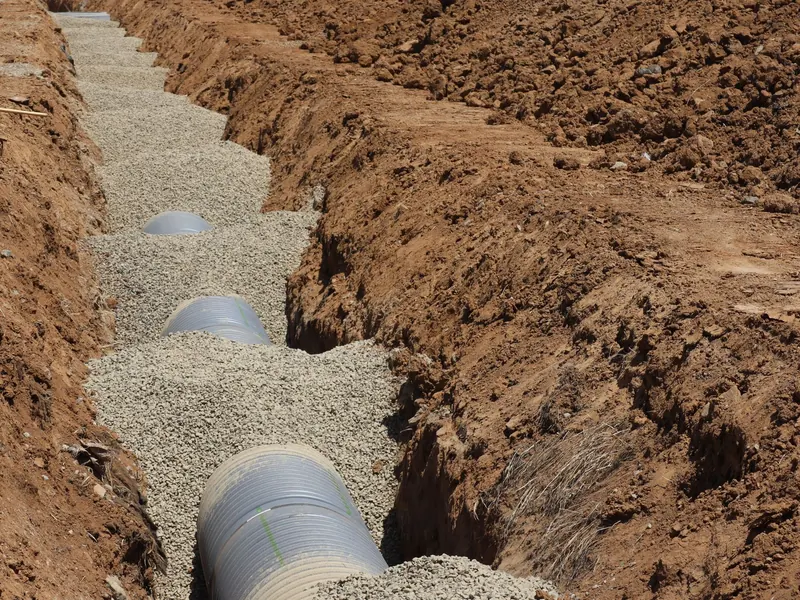
Cabling or hydro jetting can clear roots and buildup. A cracked, collapsed or sagging section needs repair, which can mean digging up and replacing that section. Trenchless methods such as pipe lining or pipe bursting can replace or reline the pipe with less digging, if the pipe and site allow it.
In many areas the homeowner is responsible for the sewer line on their property and the utility maintains the public main. Check with your sewer provider on where that line falls for your address.
Common questions
How do I know if it's the sewer line or one drain?
One slow drain points to that fixture's branch line. Backups in several fixtures at once point to the main line or the sewer line outside, and the lowest drains in the house tend to back up first.
What does a sewer camera inspection show?
Roots, cracks, broken or offset joints, low spots that hold water and grease buildup. The plumber can also locate the problem spot from above ground so a repair targets the right section of pipe.
Will roots come back after cleaning?
Roots grow back through the same cracks and joints. Cutting them clears the pipe for now. To keep them out, the plumber repairs or relines the damaged section.